An in-depth look at Lebanon’s breast cancer burden, from rising diagnoses and early detection to treatment barriers, medication access and the long-term support patients need beyond survival.
The Beiruter
Editors' pick



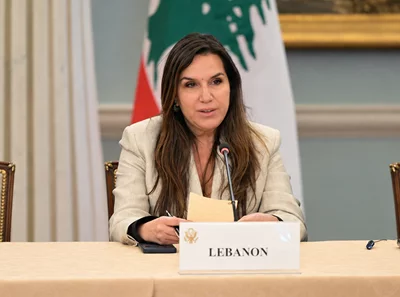

Lebanon's Ambassador to Washington … unabated
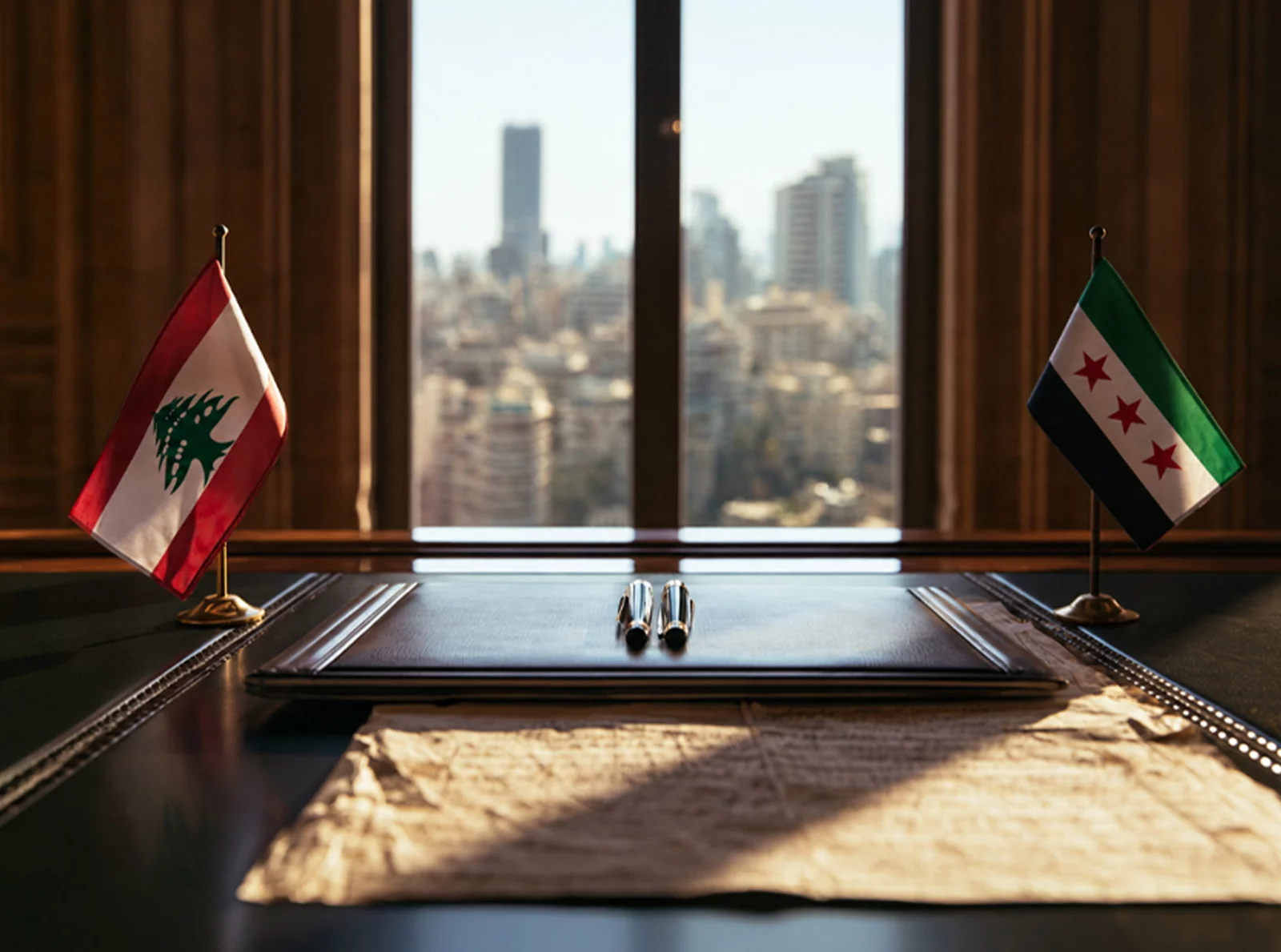
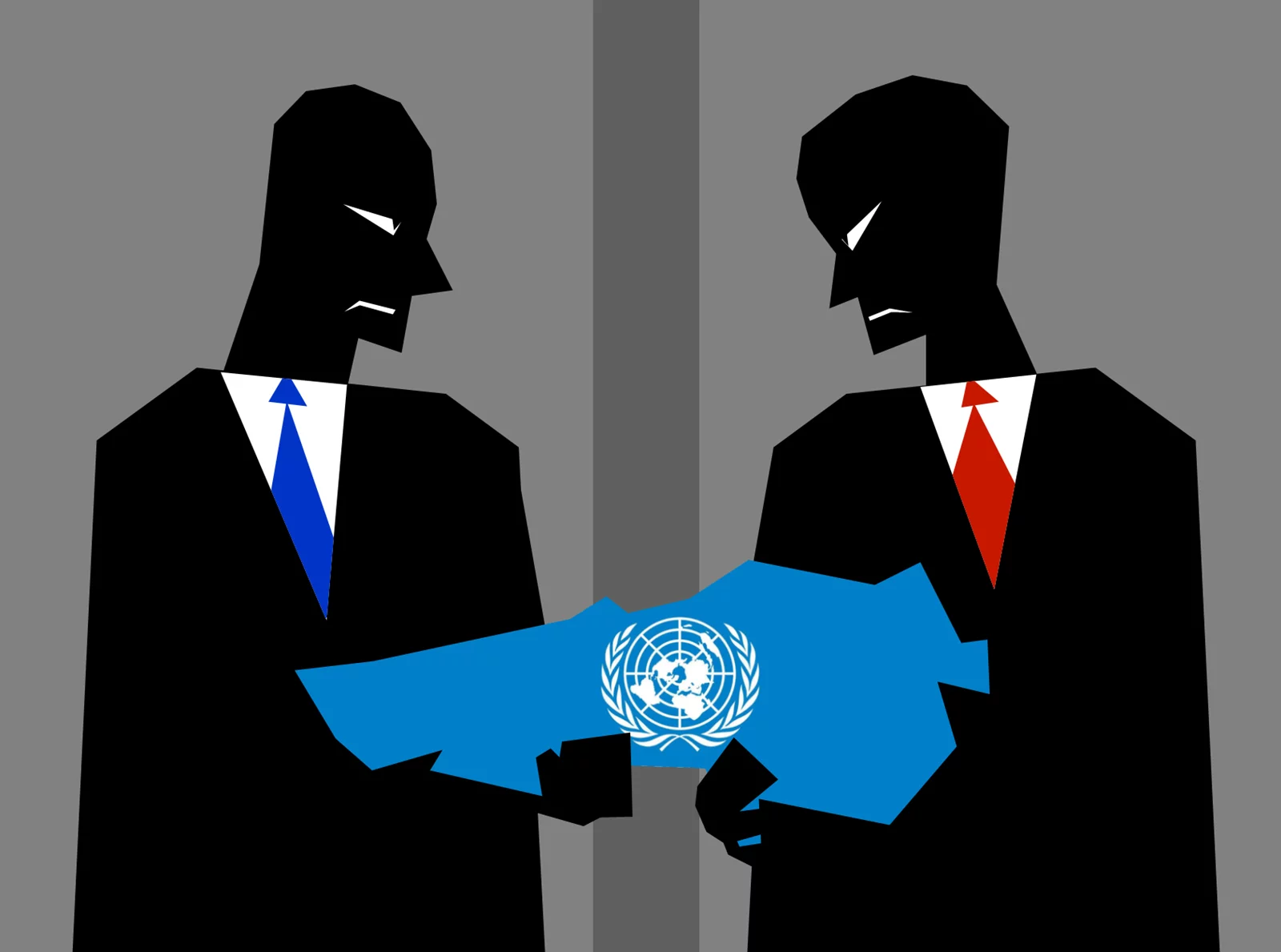
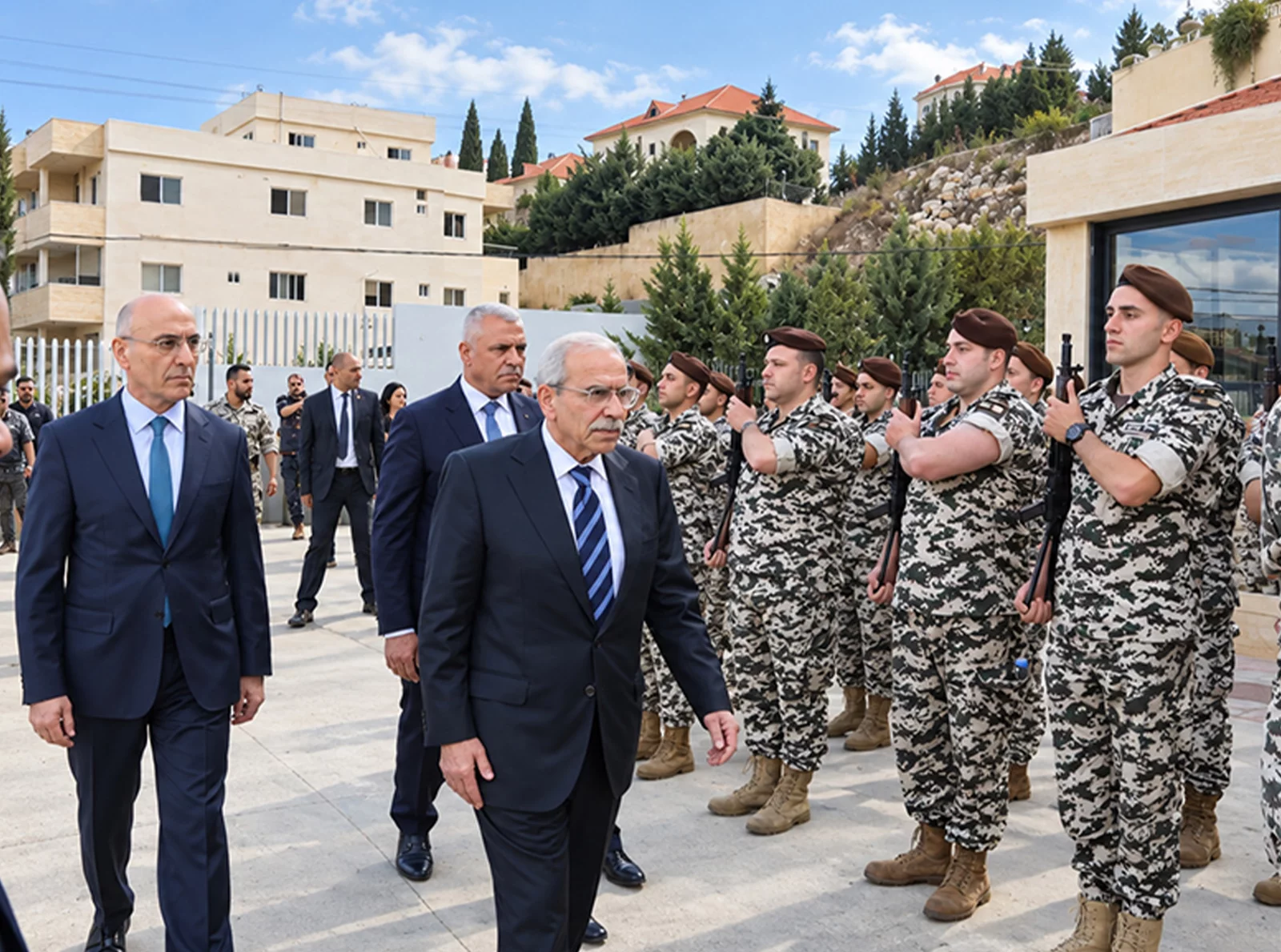
The intimidation of Lebanon’s ambassador to the United States, Nada Hamade Moawad, by a Hezbollah-affiliated lawyer has brought a deeper and more sensitive question to the forefront: the law criminalizing dealings with Israel, and whether it remains compatible with Lebanon’s pursuit of peace.
By Joanne Naoum










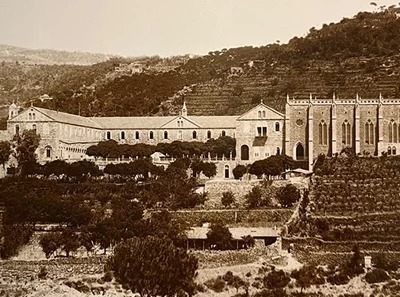
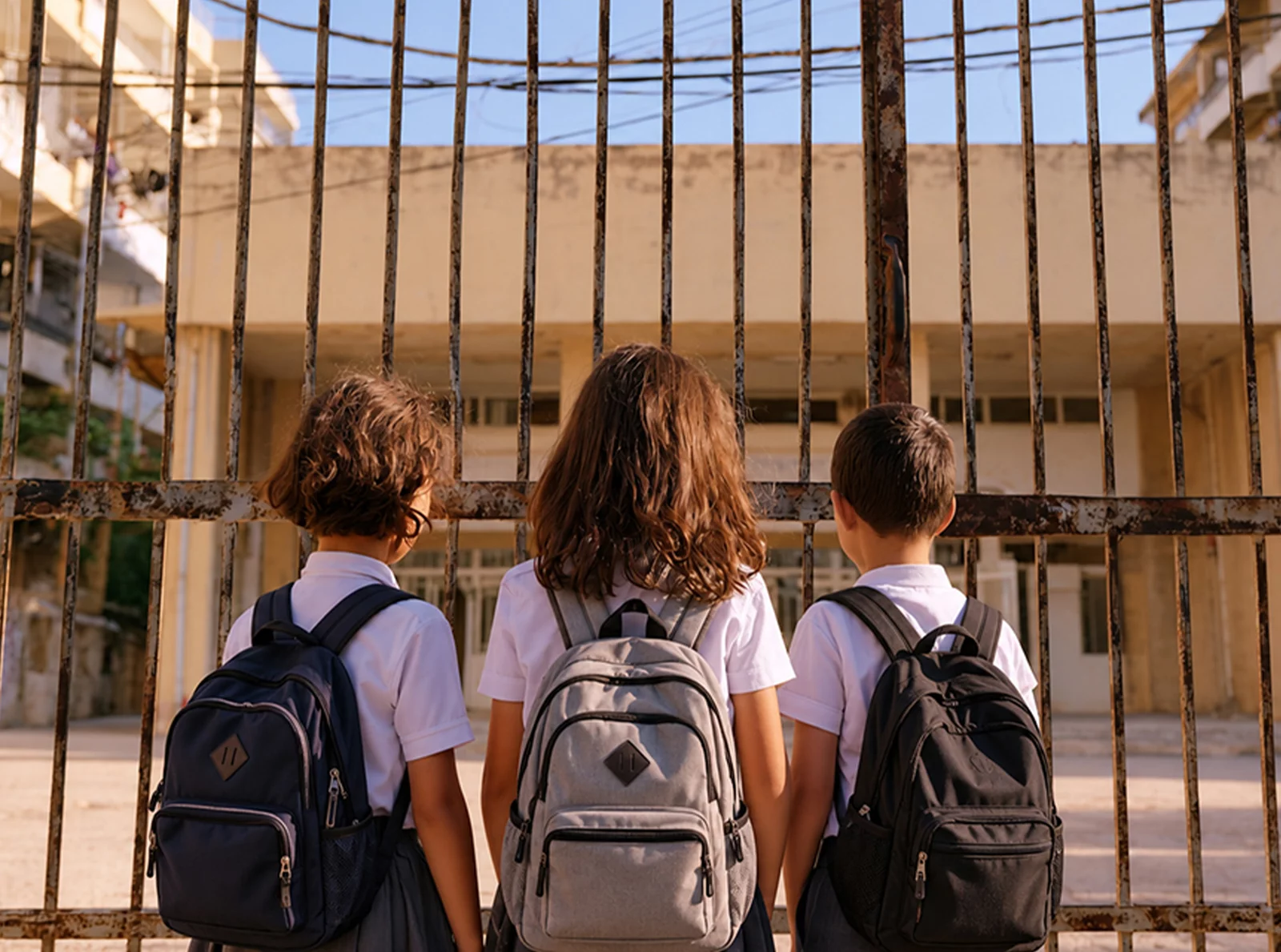
Lebanon’s oldest schools that shaped generations
Long before today’s schools, these institutions were already teaching generations of Lebanese. From École des Trois Docteurs to Saint Joseph–Antoura and Makassed, this article explores the stories, struggles and legacies behind some of Lebanon’s oldest schools.
By Yara Saliba
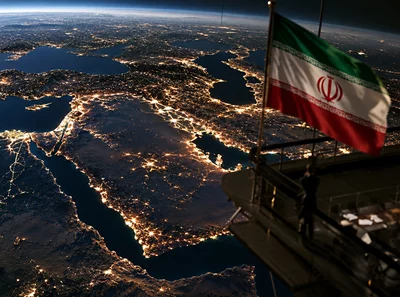


London hears calls to ban the Muslim Brotherhood
A London forum brought together British politicians and Middle Eastern representatives to debate calls for banning the Muslim Brotherhood in the UK, focusing on its political influence, financing networks and the challenges of proscribing the organization.
By Tony McMahon


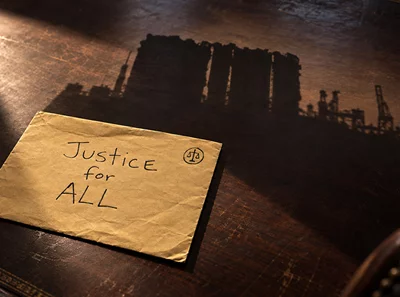
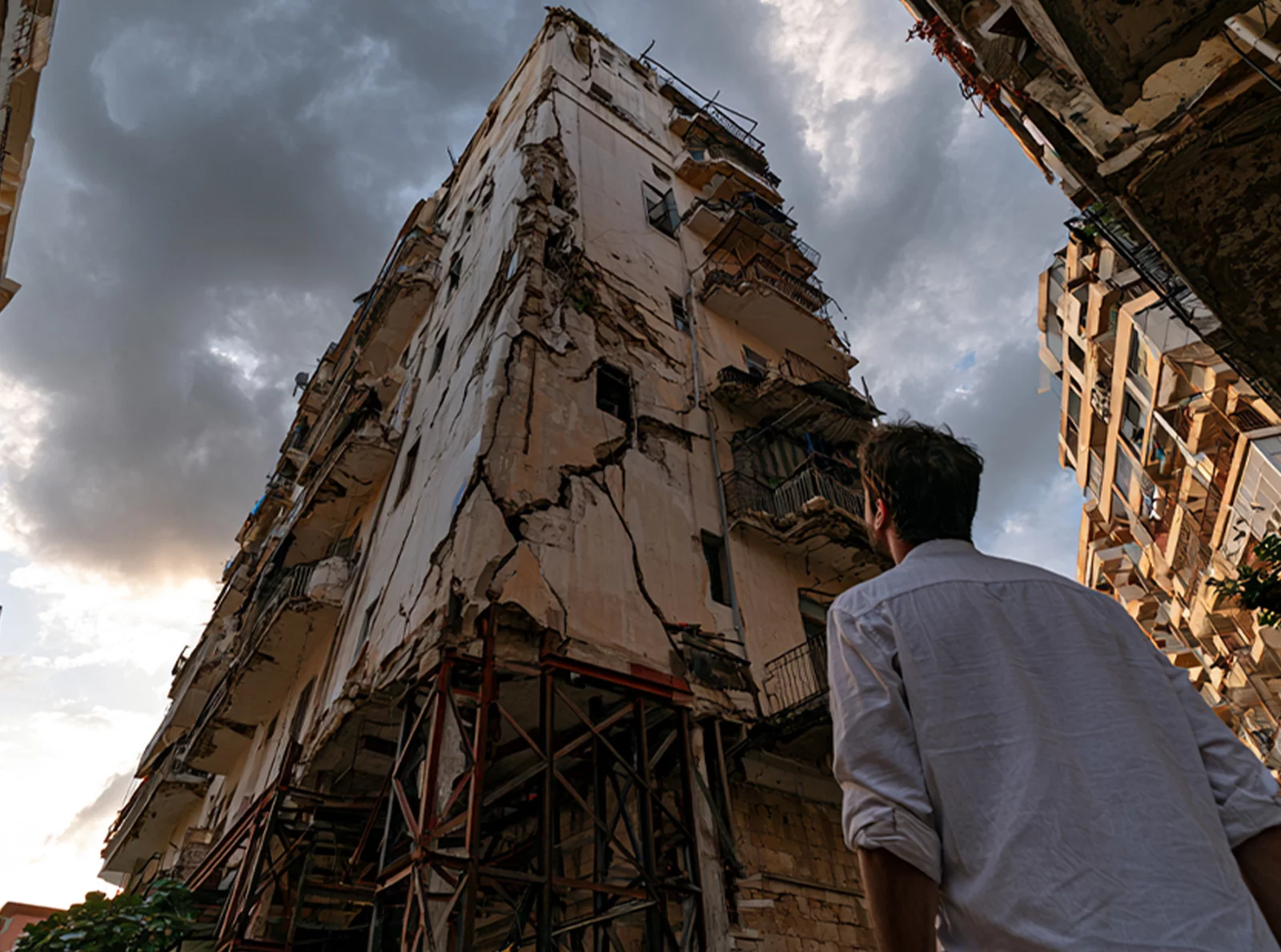
Beirut port explosion: Who has the power to try?
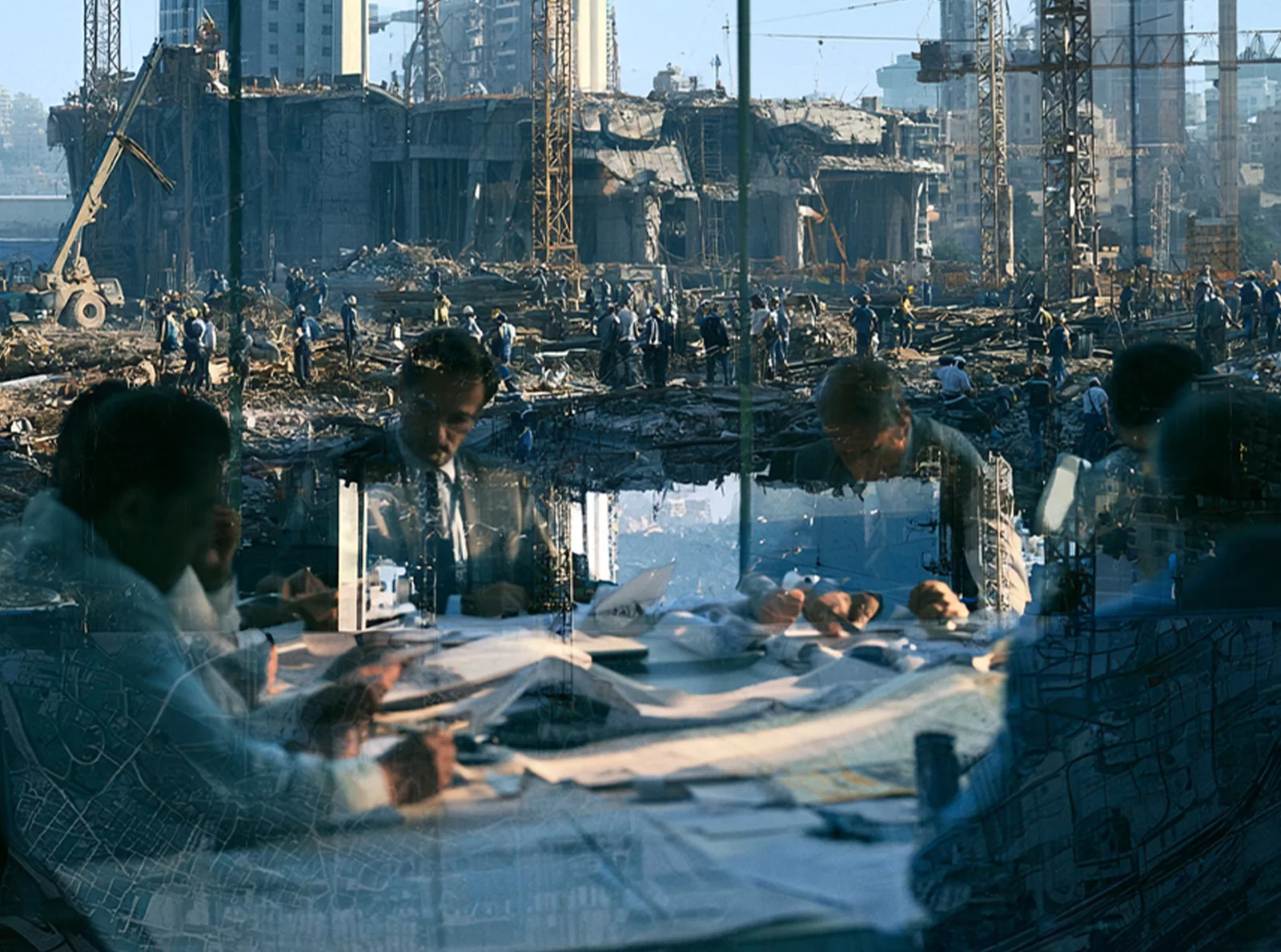
The Beirut port blast investigation has entered a new phase after the Court of Cassation prosecutor submitted a legal review outlining alleged responsibilities of more than 70 officials, paving the way for Judge Tarek Bitar to issue the final indictment.
By Joanne Naoum


Politics


















Economy

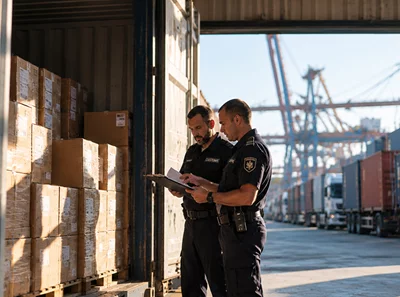
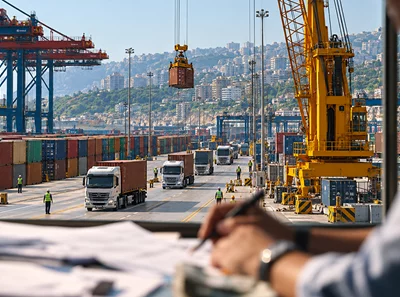
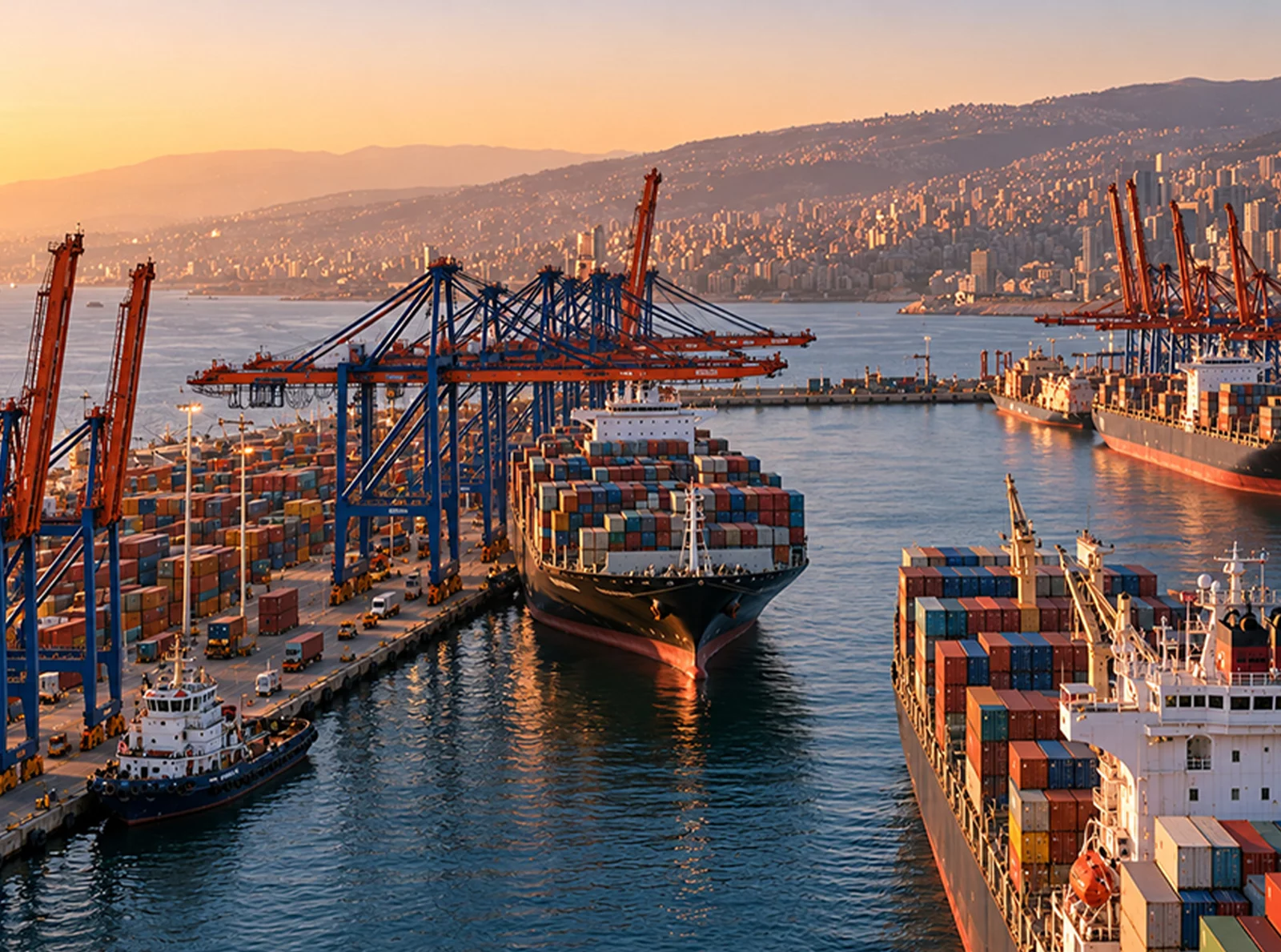
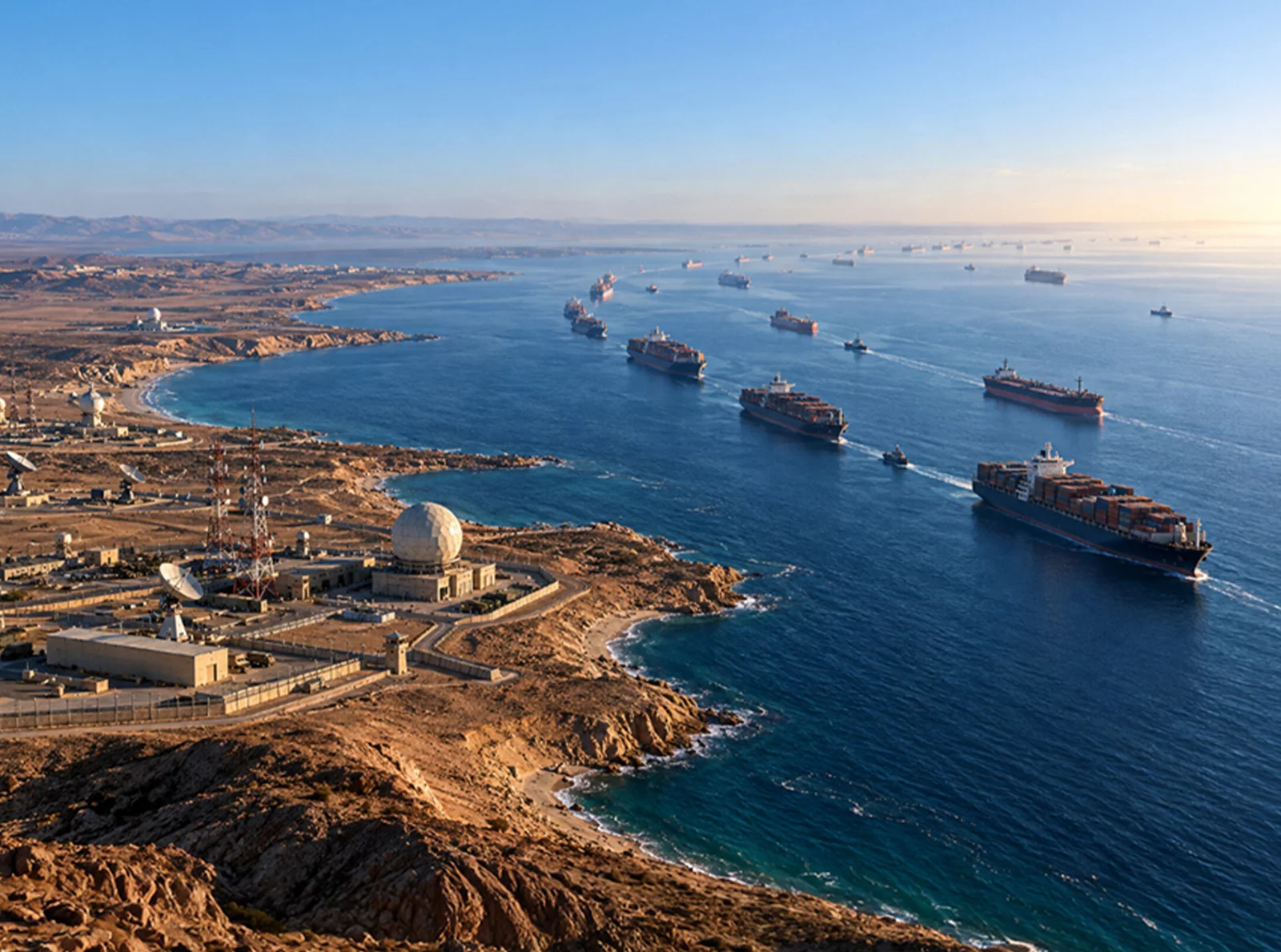
Beirut and Tripoli Ports enter the race for global trade routes
Lebanon’s ports of Beirut and Tripoli are entering a new phase after joining the India–Middle East–Europe Economic Corridor, creating an opportunity to reconnect the country with global trade routes, attract investment and revive its maritime sector, but success will depend on infrastructure upgrades, customs reforms and the ability to turn agreements into concrete economic gains.
By Daoud Rammal





The global economy moved, its institutions are catching up
Low- and middle-income economies now account for nearly half of the world’s trade in goods, creating a growing gap between where economic power resides and international institutions whose central bargains were negotiated under a very different global hierarchy.
By The Beiruter
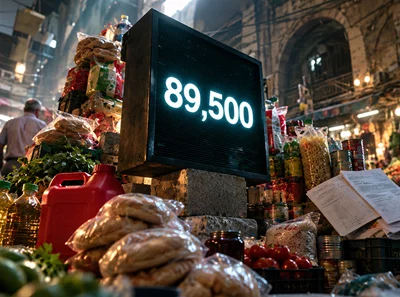


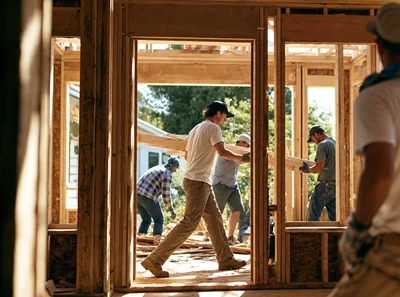
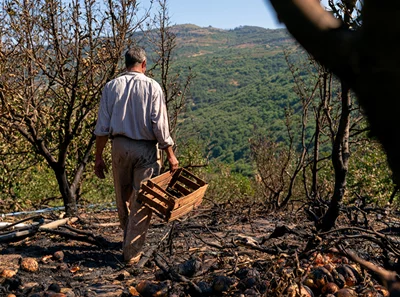
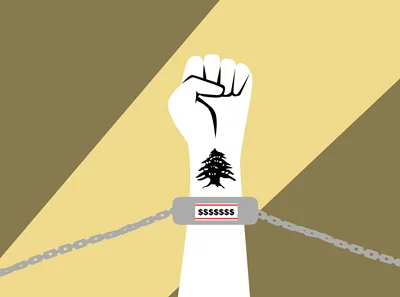
Can young Lebanese truly afford independence?
For many young Lebanese, having a place of their own remains difficult to achieve in today’s economic reality. Between rising living costs, expensive rent and family responsibilities, what does independence really look like for Lebanon’s younger generation?
By Yara Saliba


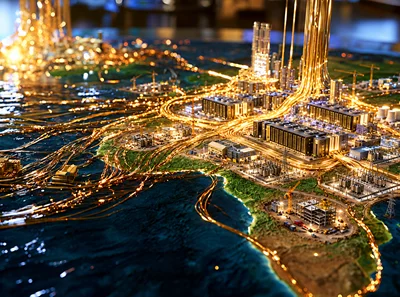
Foreign investment is a game of fewer, bigger bets
Foreign investment is concentrating in fewer, more expensive projects, as data centres, semiconductor fabs and other capital-intensive industries direct enormous sums toward countries with the infrastructure and resources to host them.
By The Beiruter



















The B
















Friendship, a support system in our lives
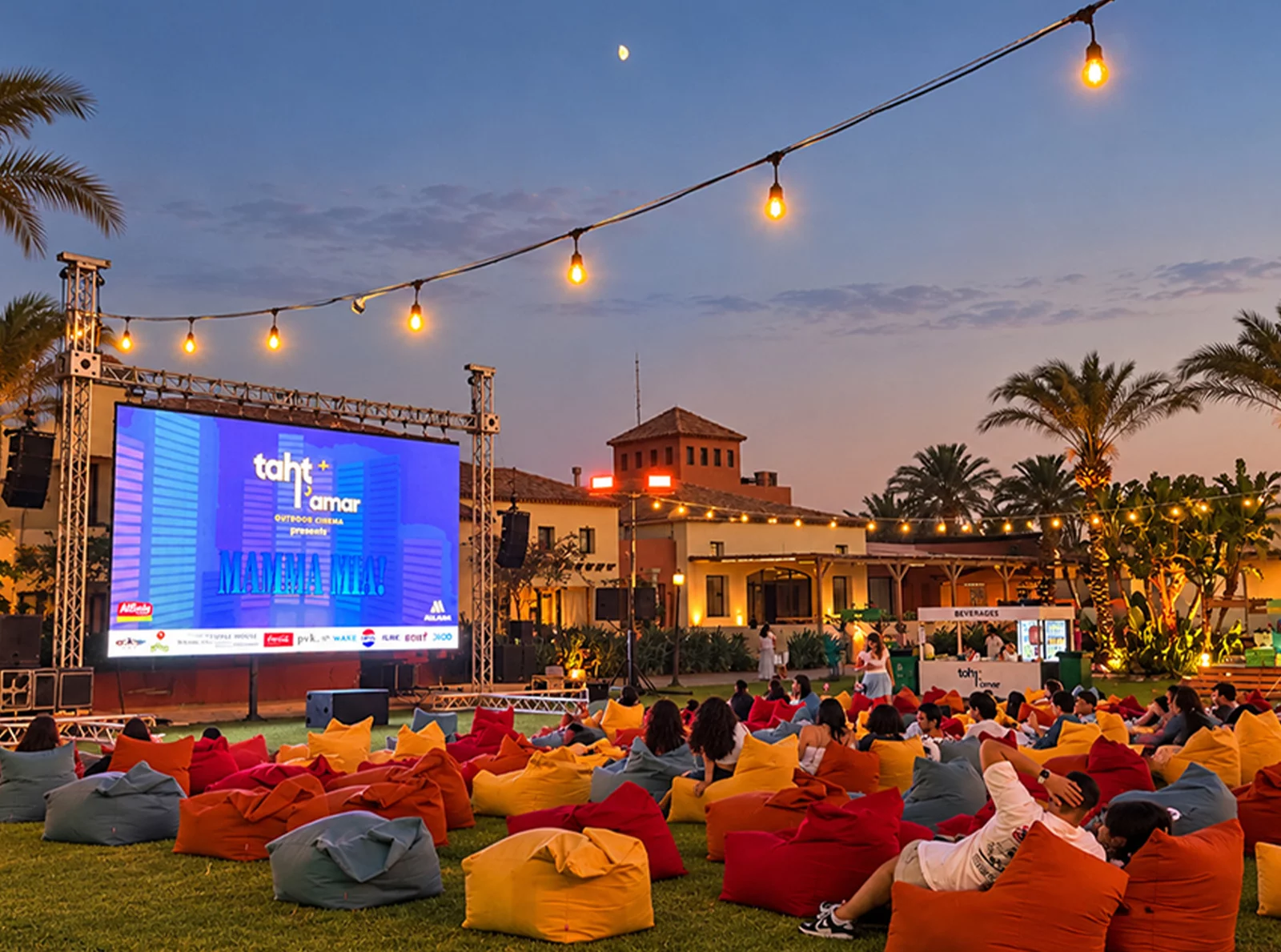
Friendship goes beyond companionship. It is about trust, mutual support, and
having people who stand by us through life’s challenges. Through personal
stories, this article explores how friendship becomes a source of comfort,
strength, and belonging.
By Yara Saliba




Bullying in schools and the lasting impact on children
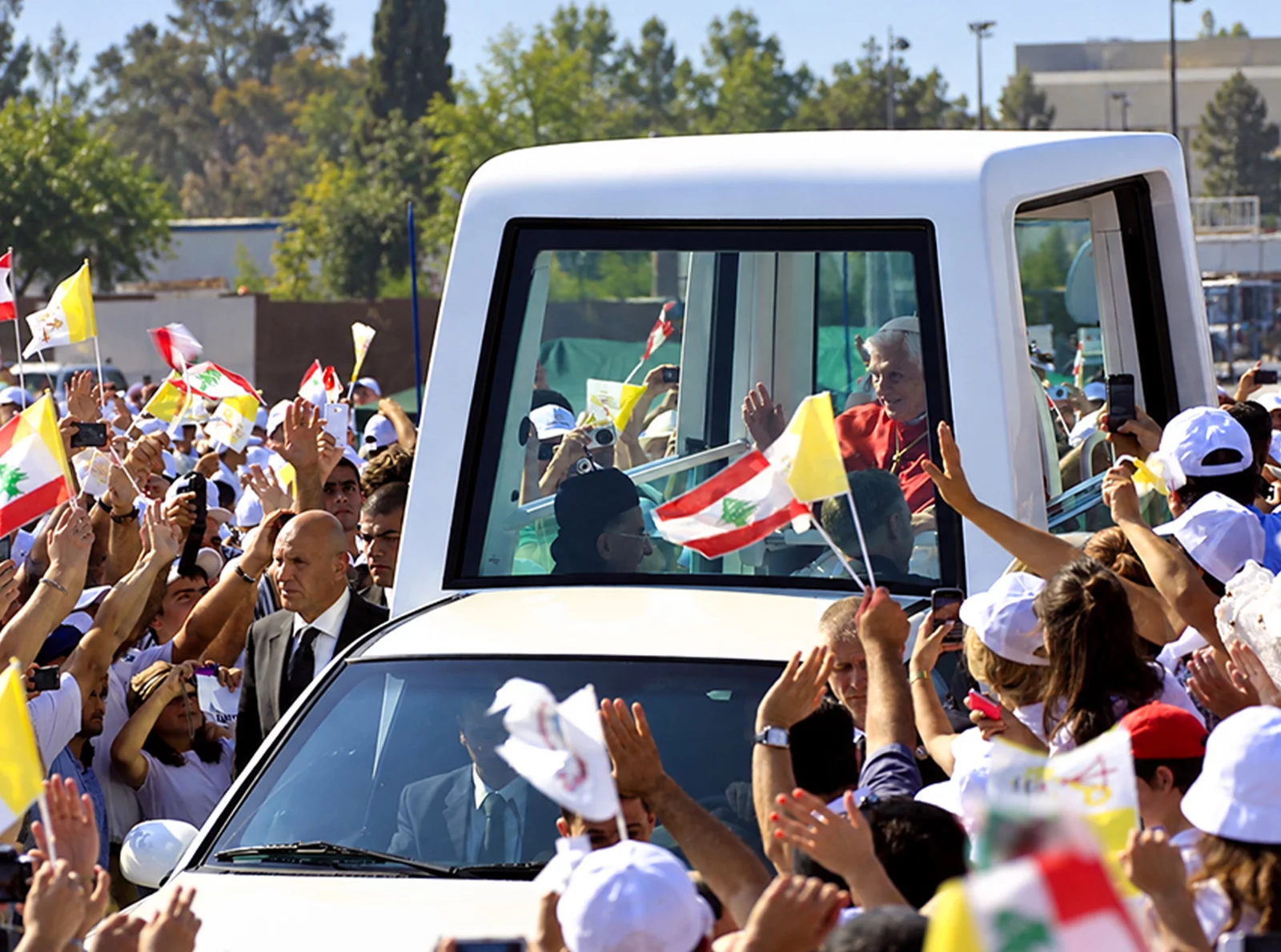
Bullying can leave lasting effects on children's mental health, self-confidence, relationships and school life. Through an interview with psychologist Marguerite Nassif Rahy, this article explores the impact of bullying, why children may remain silent, and how parents and schools can work together to protect and support them.
By Yara Saliba
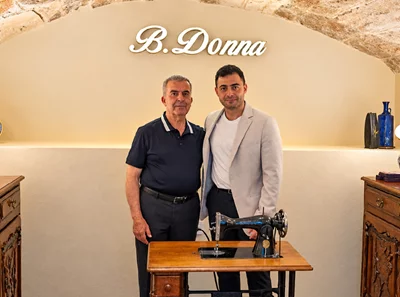
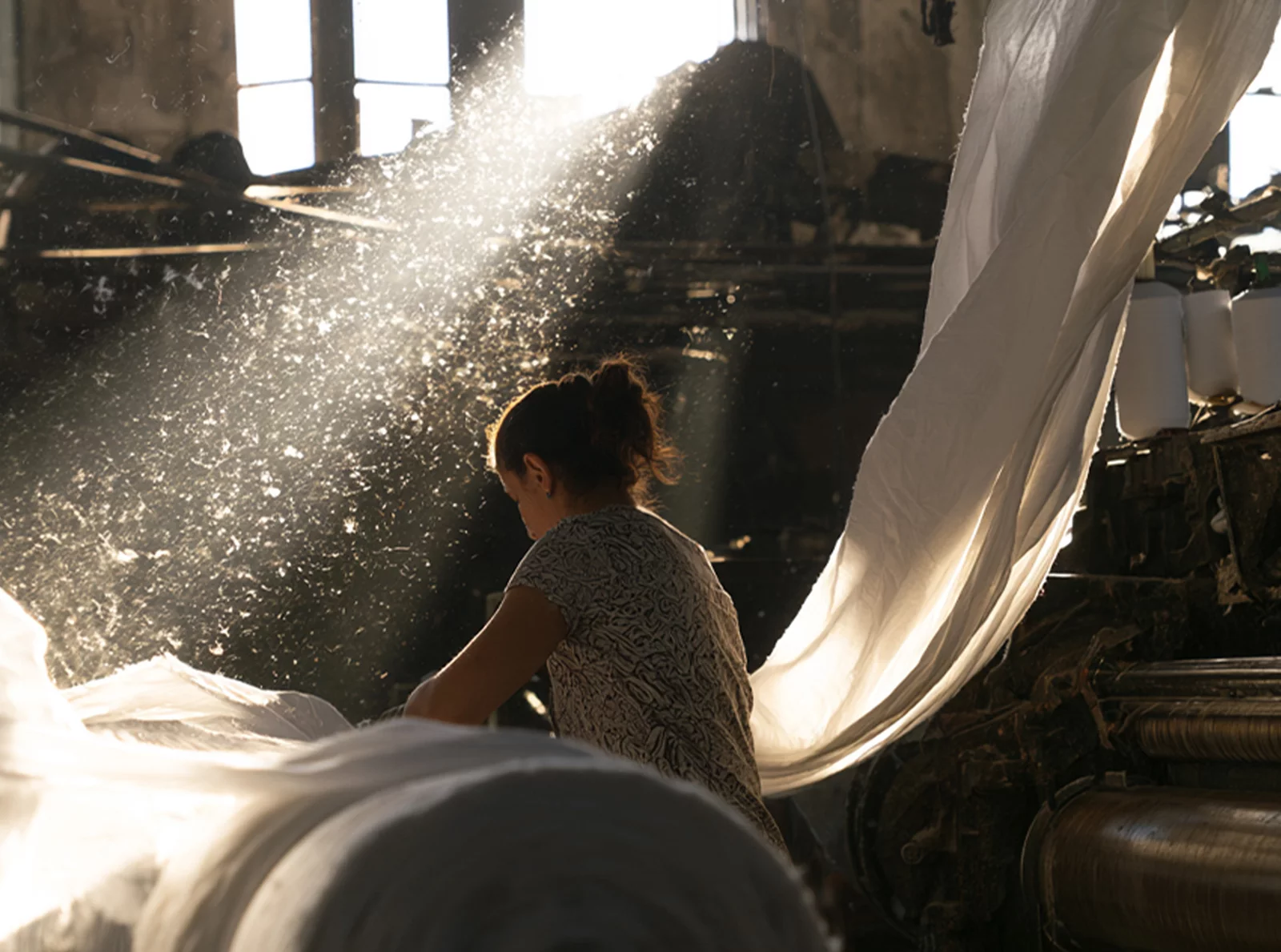
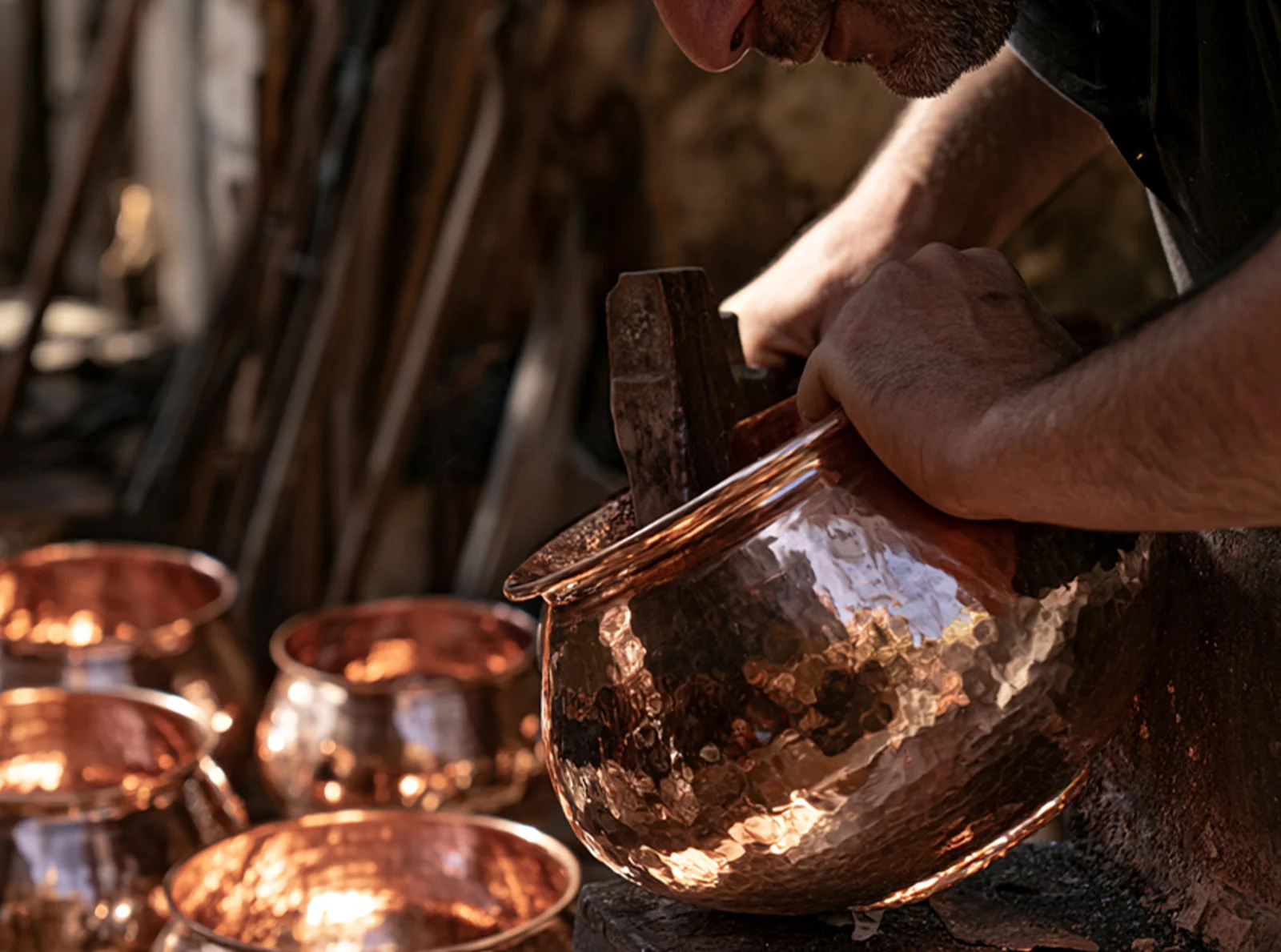
The grit behind the craft: Four women turning passion into purpose
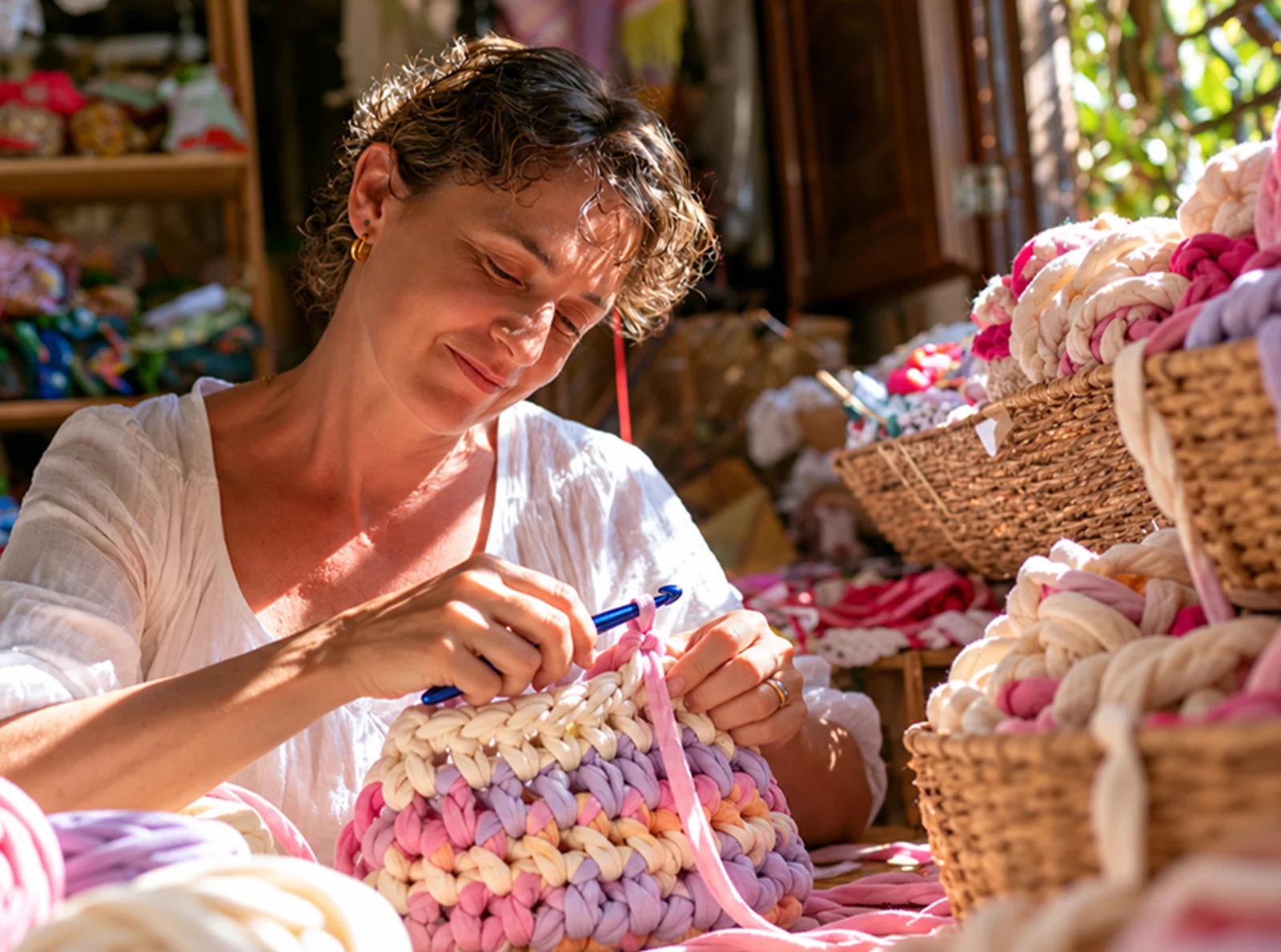
Behind every small business is a story. Meet four women who transformed the skills
and passions they developed at home into successful businesses, finding along
the way a sense of independence, purpose and fulfillment.
By Yara Saliba


Al Qorne Al Bayda: A look inside Zgharta’s traditions
Through Al-Qorne Al-Bayda, writer and director Yehya Jaber and
actress Maria Douaihy take audiences inside the traditions, beliefs and stories
of Zgharta and Ehden. Through one actress and multiple female characters, the
play explores the women, customs and social realities that shaped the region
while bringing its collective memories to the stage.
By Yara Saliba




Technology

























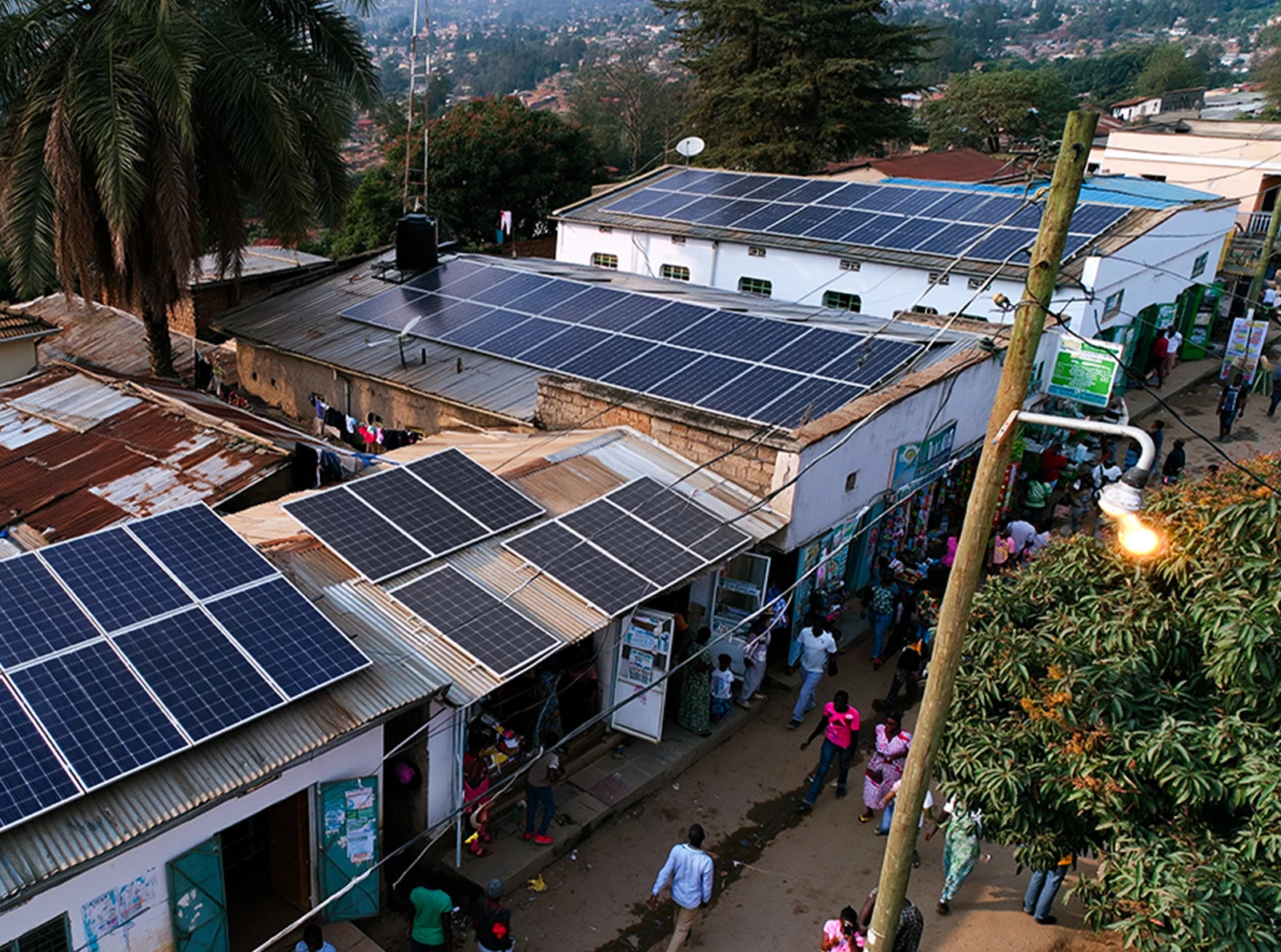
The solar boom Africa’s statistics are missing
A new report finds that solar installations are surging across Africa far faster than official statistics suggest, driven by cheap Chinese panels and a largely decentralized boom that is allowing businesses to generate their own electricity beyond the reach of national grids.
By The Beiruter

The internet’s most important infrastructure is underwater
More than 99% of international data traffic travels through submarine cables, but their concentration along narrow maritime routes, dependence on a small repair fleet and growing control by technology giants are turning the infrastructure beneath the internet into an issue of economic security and geopolitical power.
By The Beiruter


The strange market keeping the old internet alive
The internet exhausted its supply of new IPv4 addresses 15 years ago, but a global market for existing addresses shows how scarcity, compatibility and sunk investments can keep an aging technology valuable long after its successor arrives.
By The Beiruter


The question of "singularity" in AI
Sam Altman says humanity has entered the technological singularity, but evidence that AI is beginning to accelerate its own development raises a harder question about what would prove that threshold has actually been crossed and whether AI could ever realistically be switched off.
By The Beiruter






When books became AI's most valuable resource
Court documents made public during the Anthropic copyright lawsuit revealed how the AI company purchased and digitized millions of books, exposing a wider industry shift as developers turn to high-quality human writing to train the next generation of language models.
By The Beiruter